Virtual Sessions on July 11 (Tues)

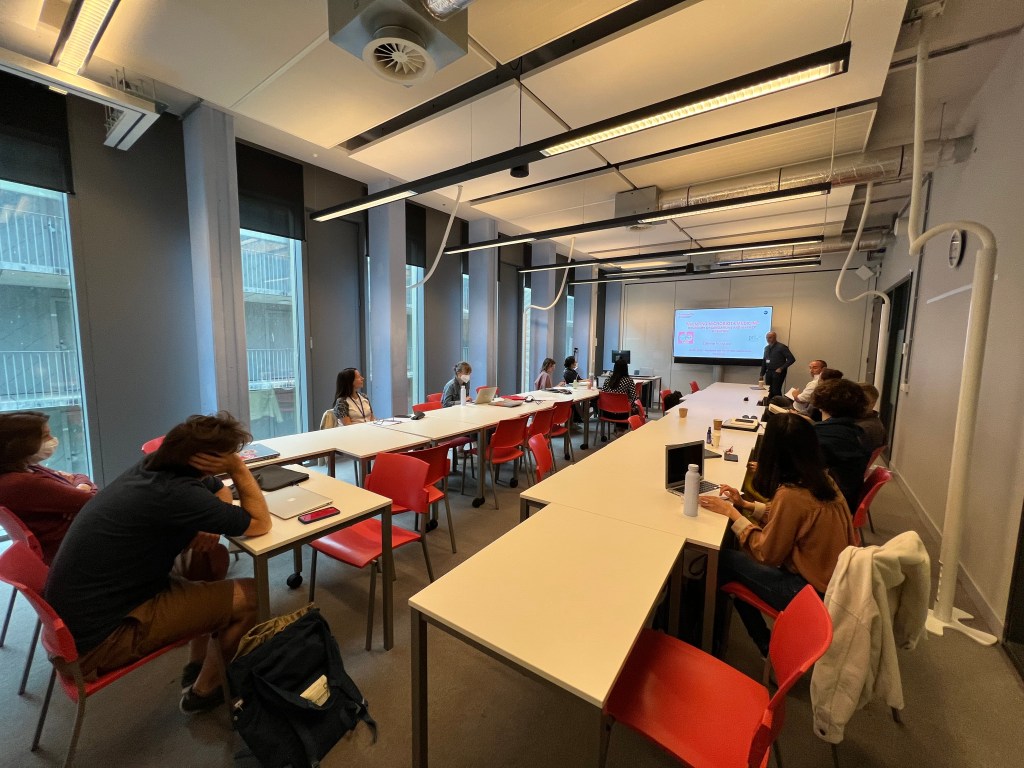
We are excited to kick off this year’s SASE conference in two weeks virtually, before we meet in Rio later in the month in July! MC 6: A Future for Health is hosting two virtual sessions, a paper panel and an author-meets-critics session on July 11 (Tuesday).

Please register via the SASE Program on Oxford Abstract to receive the Zoom link by clicking into each of the corresponding virtual events (note the times in EDT and CET below): https://virtual.oxfordabstracts.com/#/event/2778/program

Virtual Paper Session: “Givers” and “Receivers”: Entrepreneurial Business Ethics and the Moral Economy of Health and Medicine

Time: July 11th, 10-11:30 EDT / 16-17:30 CET

Moderator: Victor Roy

  • Larry Au, Long Covid in Brazil and the United States
  • Benjamin Hunter, Global Transformations and the Future of National Healthcare Systems: The Moral Making of the New ‘Global’ NHS
  • Anne Moyal, Physicians as institutional entrepreneurs: the role of general practitioners in the development of multi-professional healthcare homes in France

Virtual Author-Meets-Critics Session: “Capitalizing a Cure: How Finance Controls the Price and Value of Medicines” by Victor Roy (University of California Press, 2023)

Time: July 11th, 12-1:30 EDT / 18-19:30 CET

The book explores the ways financialized capitalism shapes the making, pricing, and valuation of new medicines, through a historical case study of curative treatments for hepatitis C launched a decade ago. This discussion will engage the book within the global context of biomedical research, interrogating the political-economic shifts that may be at play as pharmaceutical sector business strategies and health system responses to new treatments evolve. Author and critics will also unpack the potential implications of these shifts for social scientists as well as policy-makers.

Moderator: Benjamin Hunter

Author: Victor Roy, Yale University, New Haven, CT, USA

  • Critic: Larry Au, City College of New York, New York, NY, USA
  • Critic: Alya Guseva, Boston University, Boston, MA, USA
  • Critic: Etienne Nouguez, SciencesPo/CNRS, France
New article: “Long Covid and medical gaslighting”

A new article from the Covid-19 and Trust in Science Project by Larry Au, Cristian Capotescu, Gil Eyal, and Gabrielle Finestone on “Long Covid and medical gaslighting” published in SSM – Qualitative Research in Health. Parts of this paper was presented at our SASE 2022 meeting in Amsterdam.

While we know a lot more about Long Covid today, patients who were infected with Covid-19 early on in the pandemic and developed Long Covid had to contend with medical professionals who lacked awareness of the potential for extended complications from Covid-19. Long Covid patients have responded by labeling their contentious interactions with medical professionals, organizations, and the broader medical system as “gaslighting.” We argue that the charge of medical gaslighting can be understood as a form of ontological politics. Not only do patients demand that their version of reality be recognized, but they also blame the experts who hold gatekeeping power over their medical care for producing a distorted version of said reality. By analyzing results from an online survey of Long Covid patients active on social media in the United States (n ​= ​334), we find that experiences of contention and their reframing as “gaslighting” were common amongst our respondents. In short answer responses about their experience obtaining medical care for Long Covid, our respondents described encountering medical professionals who dismissed their experience, leading to lengthy diagnostic odysseys and lack of treatment options for Long Covid. Even though we are limited by characteristics of our sample, there is good reason to believe that these experiences and their contentious reframing as medical gaslighting are exacerbated by gender, class, and racial inequalities.

The article is open access: https://www.sciencedirect.com/science/article/pii/S2667321522001299?via%3Dihub

This is the first in a series of publications from the project. Our future work explores how trust is enacted and comparisons to patient experiences in Brazil.

CfP: Contested Markets of Biomedicine

Please see below for an announcement about a relevant session at the ISA XX World Congress in July 2023 for RC02 Economy & Society from Alya Guseva:

The 20th International Sociological Association World Congress will be a hybrid event held in Melbourne, Australia from June 25 – July 1, 2023. This is the ISA’s largest and most important event, held every four years. The call for abstracts is now open. You may submit a 300 word abstract via the on-line system by September 30, 2022 24:00 GMT, and you may submit up to two abstracts. You may find additional rules here. The Economy and Society Research Committee (ISA RC02) is organizing 23 open calls for abstracts which are reproduced below. Please submit your abstract here.

Contested Markets of Biomedicine

Session Organizers:
Alya GUSEVA, Boston University, USA
Akos RONA-TAS, University of California-San Diego, USA

Markets have enjoyed a privileged position in both academic and policy discourses on allocating public and private goods because they are believed to encourage competition and innovation, and benefit consumers by delivering higher quality and lower prices. There are now markets for babies, markets for gametes, intimacy (whether its takes form of a sexual encounter or platonic cuddling), human organs (illegal, for the most part), human hair, breast milk, placenta-derived products etc. Simultaneously, debates are raging on the virtues of competition and economic incentives in allocating healthcare services more efficiently, and on the ways of encouraging innovation in developing treatments for life-threatening diseases while making these treatments affordable to those who need them.

What these examples of interpenetration of markets and biomedicine all have in common is that they exemplify the tensions between beliefs, values and practices that govern market exchange (consumer choice, competition, valuation, pricing, etc.), and the social and cultural values, beliefs, practices and emotions that are associated with inclusive democratic participation in society and with the sanctity of the human body and human life.

This panel calls for papers that explore these tensions around markets for contested commodities (Radin 1996) or goods and services that some argue “money shouldn’t buy” (Sandel 2012), such as human bodies, organs, gametes (Almeling 2011), tissues and fluids, clinical labor (Cooper 2014) involving surrogates and human subjects of clinical trials, as well as life-saving drugs and treatments. We are particularly interested in the global and transnational exchange involving these contested commodities.

More info here: https://www.rc02.org/announcements/2022/7/14/call-for-abstracts-international-sociological-associations-xx-world-congress-dl-30-september-2022?format=amp

A note of thanks: SASE 2022

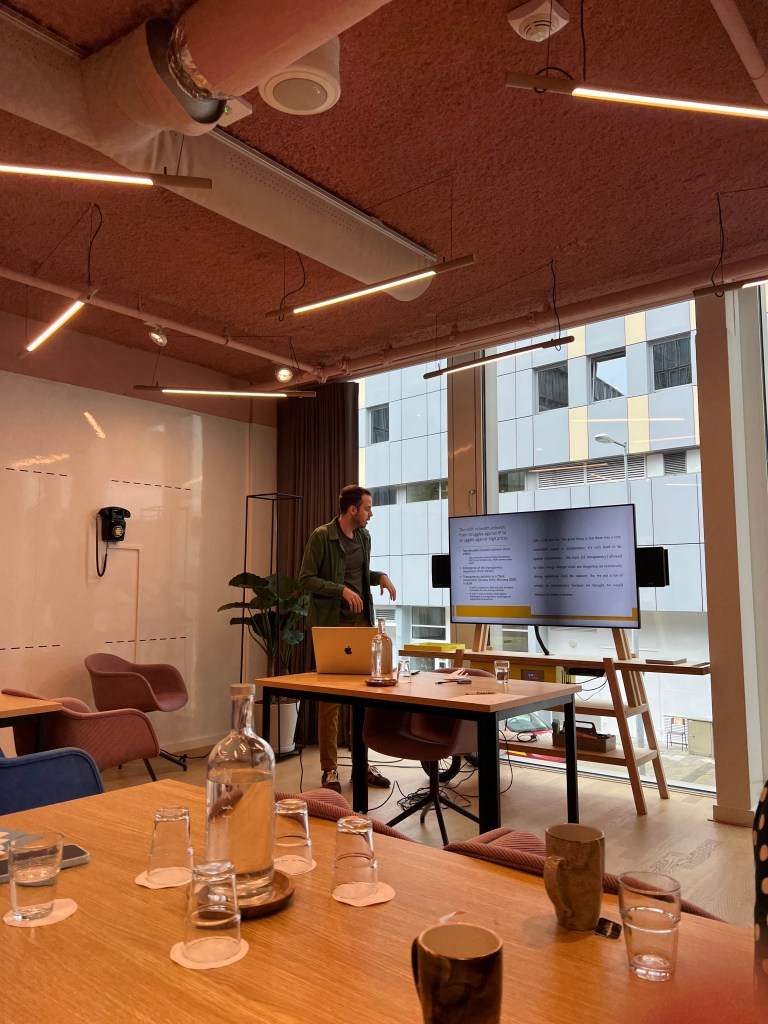
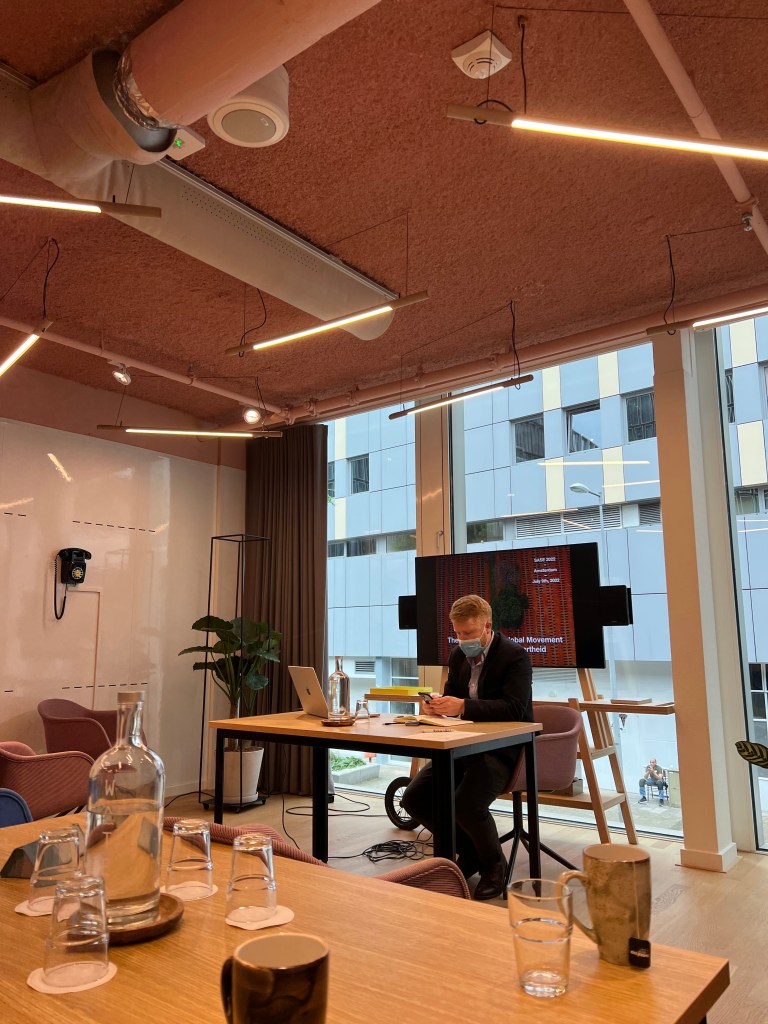
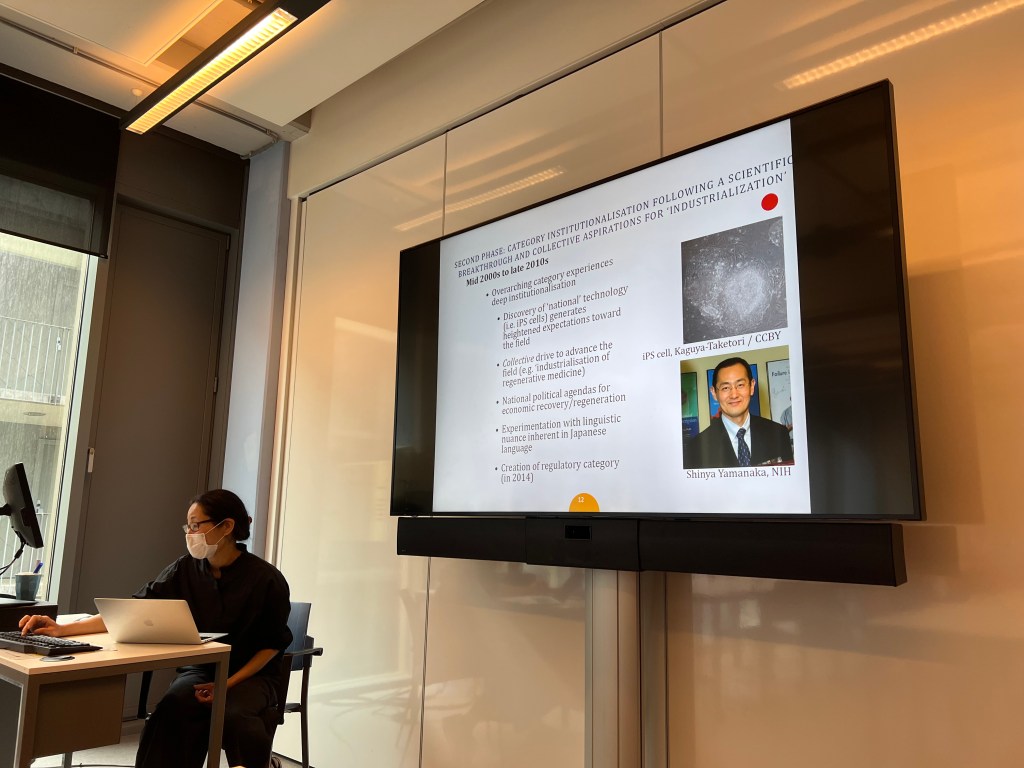
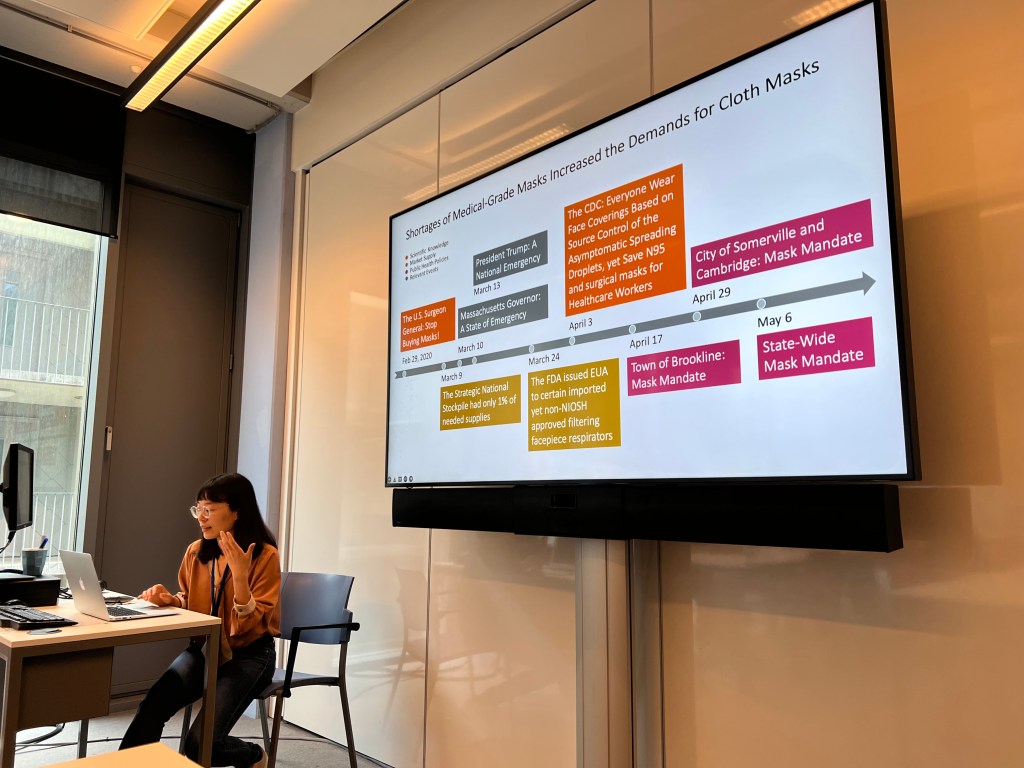
On behalf of the MedHealth organizers (Wan-Zi, Kathryn, Étienne, and Larry), we would like to thank all our presenters and attendees for helping make the 2022 Mini-Conference at Amsterdam a success. We would also like to extend our gratitude for the SASE leadership and the UvA organizers for helping make the in-person gathering possible.

Please feel free to reach out and share updates of your future publications, so we can help spread the word.

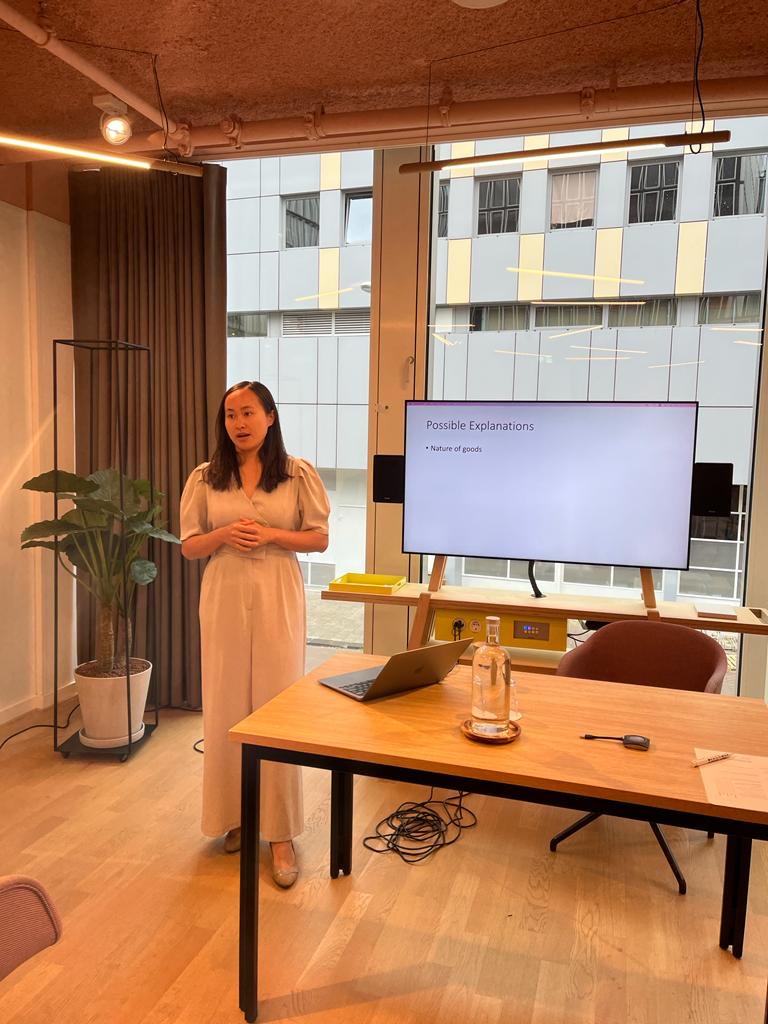
Below are some photographs of our gathering:

New book: “Understanding Drugs Markets”, edited by Carrine Baxerres and Maurice Cassier

Carine Baxerres, a former participant of the mini-conference, has recently co-edited a new book, Understanding Drugs Markets: An Analysis of Medicines, Regulations and Pharmaceutical Systems in the Global South, with Maurice Cassier. The book is open access, and can be viewed here.

The abstract of the volume from the publisher is as follows:

Drawing on anthropology, historical sociology and social-epidemiology, this multidisciplinary book investigates how pharmaceuticals are produced, distributed, prescribed, (and) consumed, and regulated in order to construct a comprehensive understanding of the issues that drive (medicine) pharmaceutical markets in the Global South today.

Based on primary research conducted in Benin and Ghana, and additional data collected in Cambodia and the Ivory Coast, this volume uses artemisinin-based combination therapies (ACTs) against malaria as a central case study. It highlights the influence of the countries colonial and post-colonial history on their models for state regulation, production, and distribution, explores the determining role transnational actors as well as industries from the North but also and increasingly from the South play in influencing local pharmaceutical markets and looks at the behaviour of health care professionals and individuals. Stepping back, the authors then unpick the pharmaceuticalization process and the multiple regulations at stake by looking at the workings of, and linkages between, (biomedical health) pharmaceutical systems, (representatives of companies) industries, actors in private distribution, and consumer practices.

Providing a thorough comparative analysis of the advantages and disadvantages of different pharmaceutical systems, it is an important contribution to the literature on pharmaceutalization and the governance of medication. It is of interest to students, researchers and policy-makers interested in medical anthropology, the sociology of health and illness, global health, healthcare management and pharmacy.

New Article: “Whose Advice is Credible? Claiming Lay Expertise in a Covid-19 Online Community”

Past mini-conference participant Larry Au has published a co-authored article, with Gil Eyal, on how lay expertise was accumulated by Covid-19 patients in an online community during the initial months of the pandemic. Here’s the abstract:

During the initial months of the Covid-19 pandemic, credentialed experts—scientists, doctors, public health experts, and policymakers—as well as members of the public and patients faced radical uncertainty. Knowledge about how Covid-19 was spread, how best to diagnose the disease, and how to treat infected patients was scant and contested. Despite this radical uncertainty, however, certain users of Covid-19 Together, a large online community for those who have contracted Covid-19, were able to dispense advice to one another that was seen as credible and trustworthy. Relying on Goffman’s dramaturgical theory of social interaction, we highlight the performative dimension of claims to lay expertise to show how credibility is accrued under conditions of radical uncertainty. Drawing on four months of data from the forum, we show how credible performances of lay expertise necessitated the entangling of expert discourse with illness experience, creating a hybrid interlanguage. A credible performance of lay expertise in this setting was characterized by users’ ability to switch freely between personal and scientific registers, finding and creating resonances between the two. To become a credible lay expert on this online community, users had to learn to ask questions and demonstrate a willingness to engage with biomedical knowledge while carefully generalizing their personal experience.

Access the journal article here.

We are also currently extending this study to examine the experiences of Long Covid patients, through the Covid-19 and Trust in Science Project. Learn more about that here.

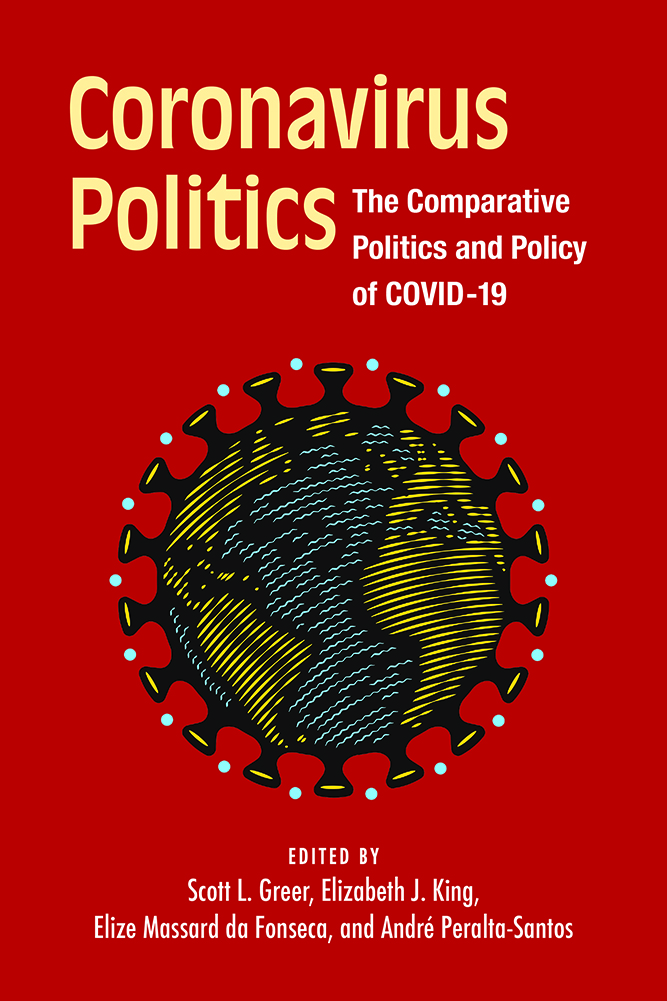
New volume: “Coronavirus Politics: The Comparative Politics and Policy of COVID-19,” edited by Scott Greer, Elizabeth King, Elize Massard da Fonseca, André Peralta-Santos

Past mini-conference participant Elize Massard da Fonseca and colleagues have published a new edited volume, titled Coronavirus Politics: The Comparative Politics and Policy of COVID-19. The book evaluates health policymaking during the COVID-19 pandemic across the globe .

A description of the book from the University of Michigan Press can be found here:

COVID-19 is the most significant global crisis of any of our lifetimes. The numbers have been stupefying, whether of infection and mortality, the scale of public health measures, or the economic consequences of shutdown. Coronavirus Politics identifies key threads in the global comparative discussion that continue to shed light on COVID-19 and shape debates about what it means for scholarship in health and comparative politics. Editors Scott L. Greer, Elizabeth J. King, Elize Massard da Fonseca, and André Peralta-Santos bring together over 30 authors versed in politics and the health issues in order to understand the health policy decisions, the public health interventions, the social policy decisions, their interactions, and the reasons. The book’s coverage is global, with a wide range of key and exemplary countries, and contains a mixture of comparative, thematic, and templated country studies. All go beyond reporting and monitoring to develop explanations that draw on the authors’ expertise while engaging in structured conversations across the book.

Learn more about and order the book here.

New Article: “Perspectives in the study of the political economy of COVID-19 vaccine regulation”

Past mini-conference participant Elize Massard da Fonseca and colleagues are publishing an article highlighting key regulatory approaches that determine vaccine rollouts and pandemic containment, forthcoming in Regulation & Governance. Here’s the abstract:

Vaccines against SARS-CoV-2 continue to be developed at an astonishingly quick speed and the early ones, like Pfizer and Moderna, have been shown to be more effective than many public health scientists had dared to hope. As COVID-19 vaccine research continues to progress, the world’s eyes are turning toward medicine regulators. COVID-19 vaccines need to be authorized for use in each country in which the pharmaceutical industry intends to commercialize its product. This results in a patchwork of regulations that can influence the speed at which products are launched and the standards that govern them. In this research forum article, we discuss several key questions about COVID-19 vaccine regulations that should shape research on the next stage of the pandemic response. We call for a research agenda that looks into the political economy of pharmaceutical regulation, particularly from a comparative perspective, including Global South countries.

Access the journal article here.

New Article: “The politics of COVID-19 vaccination in middle-income countries: Lessons from Brazil”

Past mini-conference participant Elize Massard da Fonseca and and colleagues published an article examining how political conflicts shaped COVID-19 vaccination in Brazil in Social Science & Medicine, July 2021. Here’s the abstract:

As the world struggles to meet the challenges of vaccination against COVID-19, more attention needs to be paid to issues faced by countries at different income levels. Middle-income countries (MICs) typically lack the resources and regulatory capacities to pursue strategies that wealthier countries do, but they also face different sets of challenges and opportunities than low-income countries (LICs). We focus on three dimensions of vaccination: procurement and production; regulation of marketing registration; and distribution and uptake. For each dimension we show the distinct challenges and opportunities faced by MICs. We illustrate these challenges and opportunities with the case of Brazil, showing how each dimension has been affected by intense political conflicts.

Brazil’s procurement and production strategy, which builds on a long trajectory of local production and technology transfer, has been riddled by conflicts between the national government and state governments. The regulatory approval process, based around one of Latin America’s most highly-regarded regulatory authorities, has also been subject to acute inter- and intra-governmental conflicts. And with regard to distribution and uptake, in the face of high uncertainty, even with a solid health infrastructure, Brazil encounters difficulties in promoting vaccine delivery. The research also reveals the importance of coordination among these dimensions, in Brazil and beyond. Pandemic preparedness and response must include sharing knowledge of how to produce vaccines and recognition of the crucial linkages between procurement, regulation, delivery, and uptake that are necessary for ensuring access to these products.

Access the journal article here.